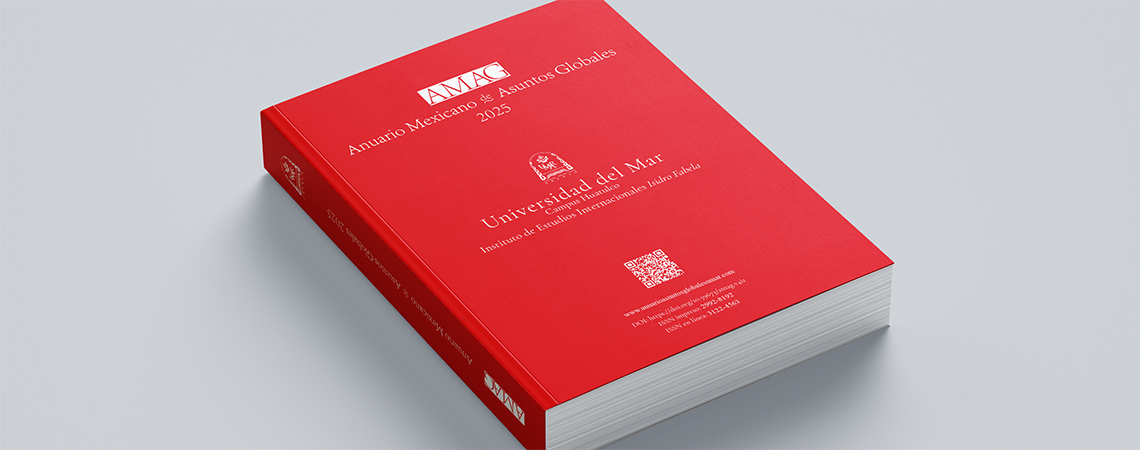
De Icaza González, C. A., & Solchaga López, L. H. (2025).
Geopolítica y diplomacia en el ciberespacio: Conflictos y negociaciones internacionales sobre la gobernanza digital, la ciberseguridad y la inteligencia artificial. Secretaría de Relaciones Exteriores, Instituto Matías Romero.
DOI:
https://doi.org/10.59673/amag.v4i1.155Keywords:
Geopolitics, Diplomacy, Cyberspace, Digital Governance, Cybersecurity, Artificial IntelligenceAbstract
In the mid-twentieth century, the renowned mathematician and computer scientist Alan Turing anticipated the profound effects that machine systems would have on society: “We can only see a short distance ahead, but we can see plenty there that needs to be done.” This statement reflected on the path ahead for computing and the emergence of Artificial Intelligence (AI, hereafter), which today finds some of its most advanced manifestations in cyber technologies that have transcended national boundaries and become relevant to international society in areas such as cybersecurity. Long before AI became one of the principal dimensions of geopolitical competition, Turing had also posed the question that continues to shape contemporary debate: “Can machines think?” More than seven decades later, Carlos de Icaza and Luisa H. Solchaga’s book Geopolitics and Diplomacy in Cyberspace: International Conflicts and Negotiations over Digital Governance, Cybersecurity, and Artificial Intelligence demonstrates that the discussion extends beyond human cognitive development to encompass the consequences that this possibility entails for international society.
Downloads